
How Colour Can Change the Way a Room Feels
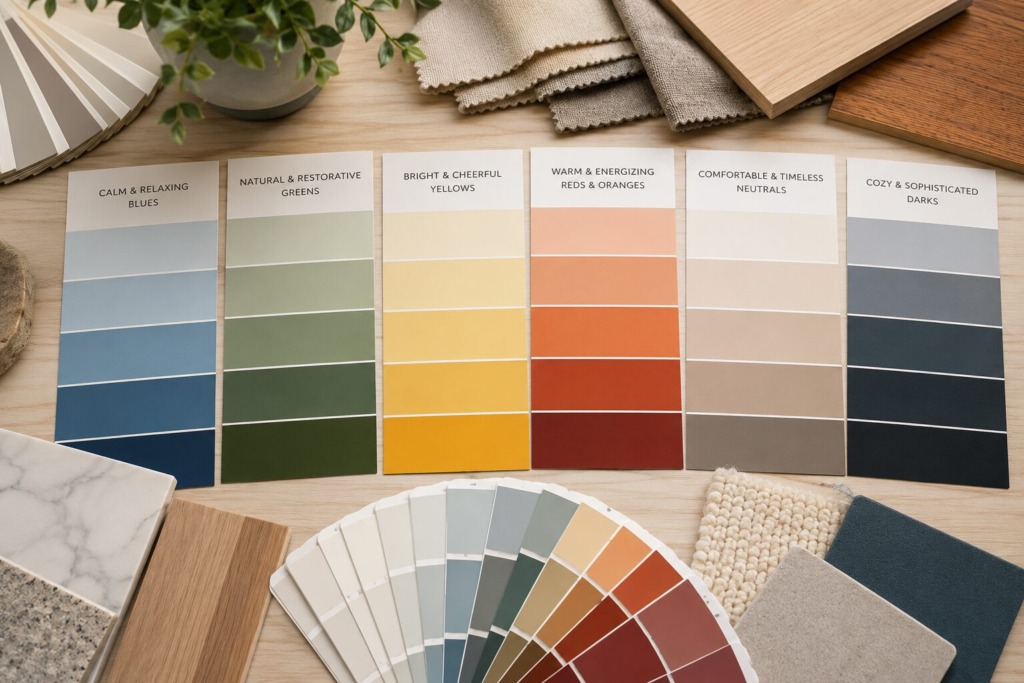
Colour is one of the most powerful elements in interior design. It can influence how a room feels, affect the atmosphere of a space, and help create an environment that feels calm, welcoming, energetic, or cozy. When planning a renovation, choosing colours is about more than selecting a favourite shade. The colours used on walls, cabinetry, flooring, furniture, and décor can work together to shape the overall experience of a room. By understanding how different colours may influence mood and perception, homeowners can make more intentional design choices.
Blue: Calm and Relaxing
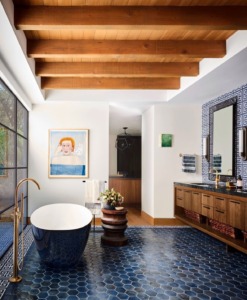
Blue is often associated with peace, comfort, and relaxation. Soft blue tones can create a calm atmosphere, making them a popular choice for bedrooms and bathrooms. Lighter shades may help a room feel open and airy, while deeper navy tones can add elegance and depth. Blue also pairs well with warm wood finishes, white cabinetry, and natural materials.
Yellow: Bright and Cheerful
Yellow is often associated with warmth, optimism, and energy. Lighter yellow tones can make a room feel welcoming and bright, especially in areas with limited natural light. Soft shades of yellow may work well in kitchens, dining areas, or breakfast spaces. However, strong or highly saturated yellow can feel overwhelming when used throughout an entire room. Using it as an accent colour can add warmth without taking over the space.
Red and Orange: Warm and Energizing
Red and orange are warm colours that can create energy and encourage conversation. These shades can make a space feel lively, comfortable, and inviting. Because bold warm colours can have a strong visual impact, they are often most effective when used in smaller amounts. Accent walls, artwork, furniture, or decorative details can introduce warmth while keeping the overall design balanced.
Green: Natural and Restorative
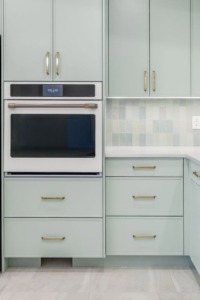
Green is commonly connected with nature, balance, and renewal. It can help create a comfortable and refreshing atmosphere while bringing an outdoor-inspired feeling into the home. Soft sage, muted olive, and earthy green tones work well in living rooms, bedrooms, kitchens, and bathrooms. In the Okanagan, green can also complement the natural surroundings by connecting interior spaces with the region’s landscapes.
Neutral Colours: Comfortable and Timeless
Neutral colours, including warm white, beige, cream, taupe, and soft grey, create a flexible foundation for many interior styles. These colours can help a room feel open, calm, and welcoming. They also make it easier to update furniture, artwork, and accessories over time without changing the entire colour scheme. Warm neutrals can create a cozy atmosphere, while lighter neutrals may make smaller rooms feel brighter and more spacious.
Dark Colours: Cozy and Sophisticated
Deep colours such as navy, charcoal, forest green, and rich brown can add character and depth to a room. When used thoughtfully, darker shades can make a space feel cozy, dramatic, and sophisticated. Lighting is especially important when using dark colours. Natural light, ceiling fixtures, wall sconces, and mirrors can help balance deeper tones and prevent a room from feeling too enclosed.
Consider the Purpose of Each Room & Create a Balanced Colour Palette
Before selecting a colour palette, think about how the room will be used and how you want people to feel while spending time there. A bedroom may benefit from calming colours, while a kitchen or dining area may feel more inviting with warm and energetic tones. A home office may benefit from colours that feel focused and balanced, while a bathroom can become a peaceful retreat through soft, natural shades. The right colour is not always about following the latest trend. It should support the purpose of the room and reflect the homeowner’s personal style. A successful colour palette includes more than wall paint. Flooring, cabinetry, countertops, furniture, lighting, and decorative details all contribute to the overall look and feel of a space. When planning a renovation, consider how colours will work together throughout the room. A balanced design may use a neutral base with carefully selected accent colours, textures, and natural materials. Testing paint samples in the room is also important. Colours can look different depending on natural light, artificial lighting, the time of day, and the surrounding finishes.