
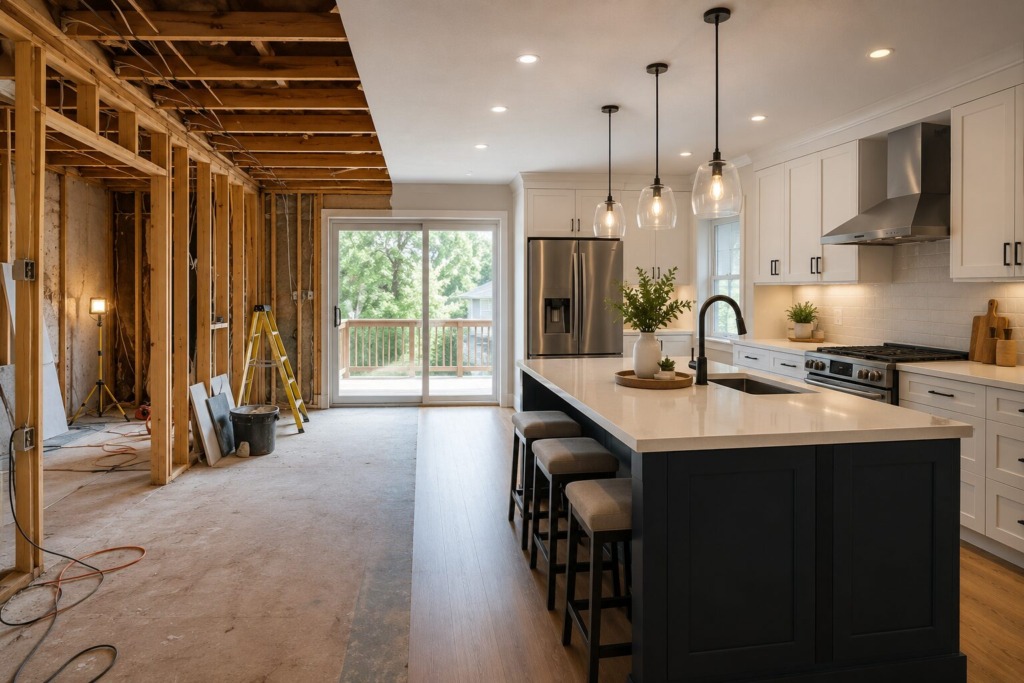
Planning a home renovation is exciting. It’s your chance to create a space that better fits your lifestyle and adds value to your home. Whether you’re updating your kitchen, renovating a bathroom, or transforming your entire house, every project starts with a budget. Most homeowners expect to pay for materials, labour, and finishes. However, there are often a few extra costs that don’t become obvious until the project is underway. While these expenses can feel frustrating, they are often a normal part of the renovation process. The good news is that many unexpected costs can be managed with careful planning. By understanding what to expect, you’ll be better prepared to make informed decisions and keep your renovation moving forward.
– Hidden Problems Behind the Walls:
One of the biggest surprises during a renovation happens after demolition begins. Once walls, ceilings, or flooring are removed, contractors can finally see what has been hidden for years. For example, they may discover water damage, mould, rotting wood, outdated wiring, or plumbing that no longer meets today’s standards. Older homes may also reveal structural issues or repairs completed by previous owners. Although these problems can increase the cost of a renovation, they should never be ignored. Fixing them now protects your home and helps prevent more expensive repairs in the future. For this reason, many renovation professionals recommend setting aside a contingency fund of 10 to 20 percent of your overall budget. That extra cushion can make unexpected repairs much easier to manage.
– Planning for Permits and Older Homes
As your renovation moves from planning to construction, there are other costs to consider. Depending on the project, permits and inspections may be required before work can begin. Projects involving plumbing, electrical work, structural changes, or additions often require approval to ensure everything meets local building codes. While permit fees are easy to overlook, they are an important part of protecting your investment. If you’re renovating an older home, there may also be additional upgrades to consider. Electrical panels, insulation, ventilation, or plumbing systems may need to be updated before new finishes can be installed. Although these improvements increase the initial investment, they also improve your home’s safety, comfort, and long-term value.

– Choosing Materials Early Can Save Money
Material prices can change throughout the year. In addition, some products may have longer delivery times than expected. Cabinetry, flooring, tile, and specialty fixtures. If these items are unavailable when construction begins, your project could be delayed while you wait for new shipments. Fortunately, a little planning can help avoid these problems. Choosing your materials early allows you to place orders sooner, secure pricing, and reduce the risk of delays later in the project.
– Small Changes Can Have a Big Impact
As your renovation starts to take shape, it’s natural to think of new ideas. You might decide to move a wall, upgrade your countertops, or choose a different tile. However, making changes after construction has begun can increase both the cost and the timeline. Even small adjustments may require additional labour, new materials, or changes to plumbing and electrical work. Instead, spend extra time finalizing your design before construction begins. Having a clear plan helps everyone stay on the same page and keeps your renovation running smoothly.
– Looking Beyond Construction
Many homeowners focus on the renovation itself but forget about the costs that come afterward. For example, larger renovations may require temporary accommodations, extra meals at restaurants, or a storage unit while work is underway. Once construction is complete, you may also need new window coverings, furniture, lighting, or décor to finish the space. While these expenses are usually smaller than the renovation itself, they can still have an impact on your overall budget. Planning for them early helps avoid unnecessary surprises.
– Good Planning Makes All the Difference
Every renovation is unique. Start with a realistic budget and include a contingency fund for unforeseen repairs. Then, finalize your design before construction starts and choose your materials as early as possible. Finally, work with a renovation team that values clear communication and keeps you informed throughout the project.
These simple steps can make the entire renovation process smoother and far less stressful. A successful renovation isn’t just about beautiful finishes. It’s also about careful planning, honest communication, and making informed decisions from the very beginning.
